Manual asset registers, siloed spreadsheets, and delayed audits cost Indian businesses lakhs every year. Cloud asset management platforms can cut manual effort by 50%, speed up access to asset data by 85%, and deliver 99% real-time visibility—results impossible with legacy systems.
TL;DR
- Cloud platforms give you real-time asset visibility across locations and devices.
- Manual tracking and paperwork are reduced by up to 50% with automated workflows.
- Centralised dashboards improve utilisation, maintenance, and decision-making.
- Robust security, cloud backups, and compliance features protect your data.
Why Legacy Asset Management Fails Modern Indian Businesses
Paper registers, Excel sheets, and standalone desktop tools remain common for asset management in India. Yet, these approaches create multiple pain points:
- Delayed asset audits due to scattered records across offices or warehouses
- Manual data entry leading to errors and compliance risks
- No real-time view of asset movement or utilisation
- Difficulty coordinating asset management across departments (IT, facilities, operations)
- Limited disaster recovery—loss of a laptop or server can mean loss of all records
According to a report from IBEF, inefficiencies in logistics and asset management cost Indian businesses over 13% of GDP. Cloud-based platforms address these challenges by centralising data, automating processes, and enabling secure access from anywhere.
Real-Time Visibility: Know Where Every Asset Is, Instantly
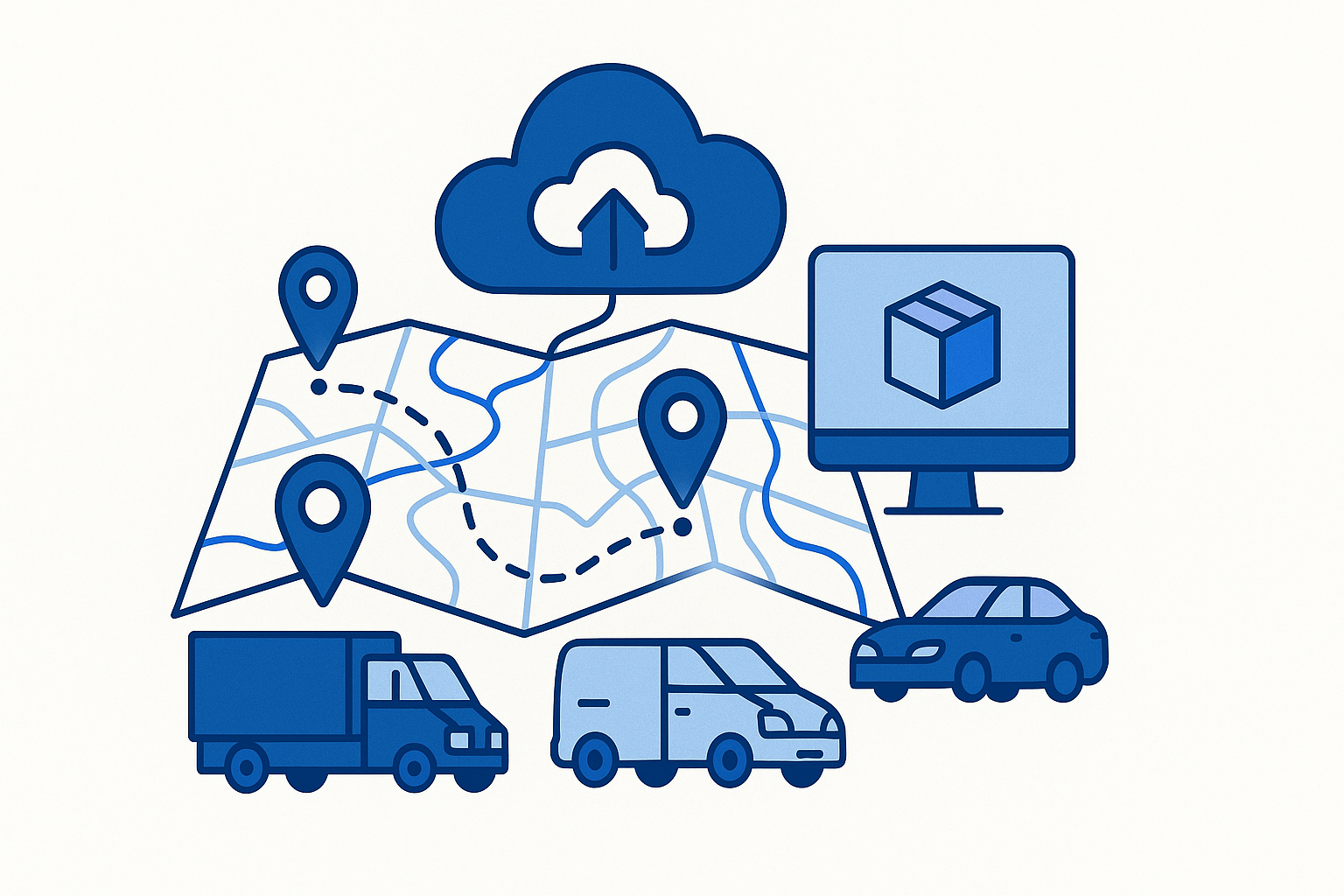
Cloud asset management solutions offer a single dashboard for all physical and digital assets—across plants, warehouses, clinics, or remote sites. By leveraging secure cloud infrastructure, you gain:
- Live location tracking for vehicles, equipment, and inventory
- Status updates (in use, idle, under maintenance, available)
- Instant search for asset details via web or mobile
For example, a healthcare facility using cloud-based asset management can pinpoint ventilators or infusion pumps in seconds, reducing equipment search time by up to 70%. This real-time visibility directly improves patient care and staff productivity. In logistics, warehouse managers can monitor goods movement and avoid misplacement or theft.
For related sector-specific advice, see Hospital Asset Tracking: How to Reduce Equipment Search Time.
This level of visibility is enabled by technologies such as IoT sensors, GPS, RFID, and cloud APIs, as outlined in GSMA’s IoT security guidelines.
Centralised Asset Monitoring Across Multiple Locations
Managing assets across multiple branches, construction sites, or retail outlets is nearly impossible with localised spreadsheets. Cloud platforms centralise all asset data, regardless of geography, providing consistent oversight and reporting.
- Unified asset register for all locations
- Role-based access—IT, operations, and finance teams see what they need
- Automated audit trails for compliance (e.g., for ISO, NABH, or GST audits)
Centralisation improves collaboration and accountability. For example, a retail chain can track IT devices, POS terminals, and store fixtures from a single dashboard, reducing loss and unplanned downtime. Integration with ERP systems further enhances data synchronisation and reporting, as recommended by NITI Aayog in its logistics digitisation roadmap.
Remote Accessibility: Manage Assets Anytime, Anywhere
Cloud-based solutions are accessible via secure web or mobile apps, allowing managers and field teams to update, audit, or locate assets from any device. This is especially critical for:
- Field operations (construction, utilities, telecom)
- Mobile healthcare teams
- IT administrators managing remote offices or WFH assets
Remote accessibility reduces bottlenecks caused by physical paperwork or onsite-only software. Asset details, maintenance logs, and movement history are available in real time, supporting faster decision-making and reducing asset downtime. Data is encrypted and protected by secure authentication, addressing common security concerns cited by McKinsey’s cloud adoption research.
Automated Workflows: Slash Manual Processes by 50%
Manual asset tracking involves repeated data entry, physical audits, and coordination between departments. Cloud platforms automate these workflows:
- Automatic check-in/check-out for tools and equipment
- Scheduled maintenance reminders and digital logs
- Real-time alerts for asset movement, expiry, or unauthorised usage
- Digital audit trails for compliance and reporting
Industry estimates suggest businesses adopting cloud asset management see a 50% reduction in manual tracking tasks and up to 85% faster access to asset information. This not only saves hours per month per site but also minimises errors and audit risks.
For a practical implementation checklist, see Warehouse Asset Tracking Checklist for RFID, Barcode and IoT.
Analytics and Optimisation: Make Data-Driven Asset Decisions
Cloud platforms provide analytics dashboards that track asset utilisation, downtime, maintenance costs, and lifecycle status. This data enables:
- Identifying underutilised or idle assets for redeployment
- Forecasting maintenance needs and optimising schedules
- Reducing unplanned purchases by tracking asset lifecycle
- Supporting budget planning with real-time cost data
For example, a manufacturing firm can analyse equipment utilisation rates and shift underused machines to busier lines, improving ROI. In IT, tracking software licences and hardware usage helps avoid unnecessary renewals.
This data-driven approach is increasingly demanded by Indian regulators and auditors. The AIS-140 standard for transport telematics, for example, requires automated reporting and audit trails, which are natively supported by cloud asset management solutions.
Data Security and Compliance: Protecting Your Business-Critical Information
Asset data is often business-critical—covering IT hardware, sensitive medical equipment, or high-value inventory. Cloud-based platforms offer enterprise-grade security:
- End-to-end encryption for data at rest and in transit
- Role-based access and secure authentication
- Automated cloud backups to prevent data loss
- Compliance features for ISO, NABH, and GST audit requirements
For regulated sectors such as healthcare and finance, these capabilities are essential. Cloud vendors invest heavily in security certifications and infrastructure, often exceeding what is possible for in-house IT teams. For more on standards, refer to ISO/IEC 27001 for information security.
For more guidance on choosing the right technology stack, see GPS vs BLE vs RFID: Choosing the Right Asset Tracking Technology.
Streamlined Maintenance and Audit Workflows
Maintenance delays and missed audits are a major source of unplanned downtime and compliance risks. Cloud asset management platforms automate maintenance logs, schedule reminders, and generate audit-ready reports in seconds. This enables:
- Proactive maintenance scheduling, reducing asset breakdowns
- Instant digital records for regulatory audits
- Reduced paper-based documentation and follow-up calls
For example, a logistics company with a fleet of vehicles can automate service reminders, track repair costs, and ensure documentation is always available for RTO or GST audits. This streamlining is particularly valuable in sectors with strict compliance requirements.
For a deeper dive into metrics that matter, see Fleet and GPS Asset Tracking: Metrics Every Operations Team Should Monitor.
See your entire asset landscape on one dashboard
Move beyond spreadsheets and paperwork. Discover how cloud asset management gives you real-time visibility, automated workflows, and secure access from anywhere. Schedule a live demo tailored to your business needs.
Integration with Enterprise Systems: Scale Without Silos
Modern cloud asset management platforms integrate with existing ERP, HRMS, and inventory systems using secure APIs. This enables businesses to:
- Synchronise asset data across departments and software platforms
- Automate asset assignment and transfers based on HR or project data
- Generate unified reports for finance, compliance, and operations teams
Integration ensures your asset data is always up to date, supports process automation, and reduces duplication. For Indian enterprises, this is critical to supporting growth, M&A, or multi-location expansion.
For a comprehensive overview of what to look for in cloud asset management solutions, see Cloud-Based Asset Management Software: What to Look for Before You Buy.
To explore our secure, scalable platform, visit our Cloud Based Asset Management service page.
Cost Savings and ROI: Payback in Months, Not Years
Cloud asset management delivers measurable ROI by reducing manual effort, minimising asset loss, and improving utilisation. Industry benchmarks indicate:
| Impact Area | Typical Savings/Improvement |
|---|---|
| Manual processes | 50% reduction in time spent on tracking and audits |
| Asset utilisation | 10–30% improvement by redeploying idle assets |
| Loss/theft reduction | Up to 90% reduction with real-time monitoring |
| Compliance/audit effort | 70% faster audit preparation |
| Payback period | Typically 4–8 months for mid-size organisations |
According to Statista, adoption of cloud solutions in India is growing at over 15% CAGR, driven by operational efficiency and scalability. For most businesses, the cost of cloud asset management is offset within the first year through process savings and reduced asset losses.
Getting Started: Modernise Your Asset Management
Transitioning to cloud-based asset management is simpler than many organisations expect. Most platforms support phased onboarding, integration with existing systems, and training for staff. Key steps include:
- Inventory and digitise your existing assets (via import, barcode, or RFID scan)
- Configure user roles and access policies
- Integrate with ERP or inventory systems as needed
- Train key users on dashboards and workflows
- Set up automated alerts and reports
With the right planning, most businesses can start realising the benefits of cloud asset management within weeks. For an implementation guide using RFID, see RFID Asset Tracking System: A Practical Implementation Guide.
To discuss requirements for your industry, visit our Cloud Based Asset Management service page.
FAQ — Benefits of Cloud Asset Management
What is cloud asset management, and how does it differ from traditional methods?
Cloud asset management uses a centralised, secure online platform to track, monitor, and manage assets in real time. Unlike paper registers or siloed spreadsheets, data is accessible from anywhere, updated instantly, and integrated with workflows—eliminating manual errors and delays common in legacy approaches.
How does cloud asset management improve operational efficiency?
By automating asset tracking, maintenance reminders, and audit logs, cloud platforms reduce manual work by up to 50%. Teams spend less time searching for assets or updating paperwork, enabling faster decision-making and more productive use of resources across departments.
Is my asset data secure on the cloud?
Yes. Leading cloud asset management solutions use end-to-end encryption, secure authentication, and automated backups. Data is stored in ISO/IEC 27001-certified data centres, with strict access controls and audit trails to meet compliance needs for sectors like healthcare, finance, and logistics.
Can cloud asset management integrate with our existing ERP or inventory system?
Most modern cloud platforms offer secure APIs for integration with ERP, HRMS, and inventory software. This ensures asset data is synchronised across systems, supports automated workflows, and enables unified reporting for finance, operations, and compliance teams.
What is the typical payback period for cloud asset management?
Industry benchmarks suggest a payback period of 4–8 months for mid-size Indian businesses, due to savings from reduced manual work, improved utilisation, and lower asset losses. Larger enterprises may see even faster ROI as process efficiencies scale up.
How does cloud asset management support compliance and audits?
Cloud solutions automatically log asset movements, maintenance, and user actions—creating instant, audit-ready reports. This streamlines compliance with ISO, NABH, GST, and other regulatory requirements, reducing the time and risk associated with manual audit preparation.
Does cloud asset management work for both physical and digital assets?
Yes. Cloud platforms can manage any asset type—machinery, vehicles, IT devices, medical equipment, software licences, and more. Customisable fields and asset categories let you track life cycle, location, status, and usage for both physical and digital assets.
How quickly can a business implement cloud asset management?
With phased onboarding and import tools, most businesses can digitise their asset register, configure workflows, and train users within weeks. The process is designed to minimise disruption, allowing you to start realising benefits almost immediately.