A logistics chain with five warehouses can lose over ₹1 lakh a month to misplaced equipment, manual errors, and delayed audits. Cloud based asset management platforms now enable 99% real-time visibility and 50% fewer manual processes, transforming how Indian businesses control assets across sites, departments, and cities.
TL;DR
- Cloud based asset management centralises tracking, automates workflows, and enables real-time visibility across locations.
- Indian businesses report up to 85% faster access to asset data and 50% less paperwork after adopting cloud solutions.
- Cloud platforms support compliance, security, and integration with ERP systems, streamlining maintenance and audits.
- Use cases span logistics, manufacturing, healthcare, IT, retail, and construction—anywhere assets move or multiply.
Why Traditional Asset Management Falls Short in India
Manual tracking, Excel sheets, and siloed systems have long dominated asset management in Indian companies. This approach struggles with:
- Scattered asset records across paper, spreadsheets, and local drives
- Delayed information flow between branches, warehouses, and departments
- Human errors—misplaced tools, double entries, lost audit trails
- No real-time visibility for decision-makers
- Inefficient audits and compliance headaches (especially for GST, MoRTH, and health regulations)
According to a McKinsey study on digital transformation in operations, companies relying on manual asset management lose 20–30% productivity due to poor data flow and asset underutilisation. In India, this translates to higher costs, regulatory risks, and lost business during audits or breakdowns.
What Is Cloud Based Asset Management?
Cloud based asset management is the practice of tracking, monitoring, and managing your physical and digital assets using a secure, centralised platform hosted on cloud servers. Unlike legacy on-premise software or spreadsheet-based systems, cloud solutions provide:
- Real-time asset visibility across multiple locations and devices
- Remote access via web and mobile apps—no need to be on site
- Automated workflows for maintenance, audits, and approvals
- Centralised data storage with cloud backup and disaster recovery
- Integration with ERP, HRMS, and other business platforms
Cloud platforms leverage secure infrastructure—often certified to ISO 27001 or similar standards—to ensure data security and compliance. Leading Indian industries are rapidly moving to cloud-based models, driven by the need for agility, remote work, and regulatory alignment. Statista projects the Indian cloud computing market will grow over 20% CAGR through 2027, with asset management as a major vertical.
How Does Cloud Based Asset Management Work?
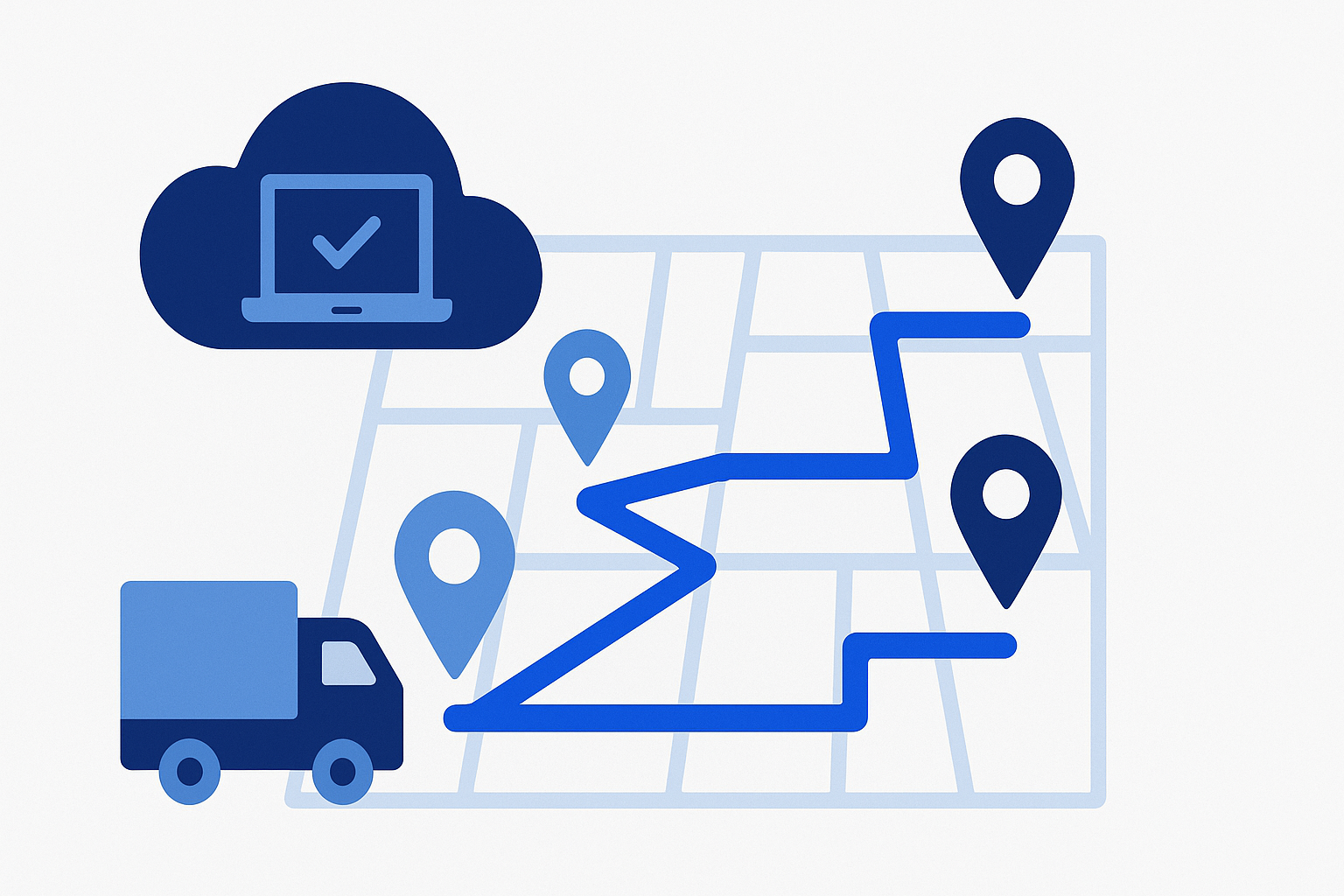
At its core, a cloud based asset management platform connects your assets (vehicles, equipment, IT devices, inventory, tools) to a secure online dashboard. Here’s how it works in practice:
| Component | Function | Example |
|---|---|---|
| Cloud Platform | Central data storage, analytics, access control | Asset Tracking Solutions’ secure cloud servers |
| Asset Tags/Sensors | Identify and monitor assets via GPS, RFID, BLE, or barcodes | RFID tags on hospital equipment, GPS tracker on trucks |
| Web/Mobile App | User interface for real-time monitoring, updates, and reports | Operations manager views asset location on smartphone |
| APIs/Integrations | Connects with ERP, HRMS, supply chain, or finance systems | Sync asset inventory with SAP or Tally |
| Automated Workflows | Maintenance alerts, audit reminders, approval requests | Automated email when generator is due for service |
Data from asset tags or sensors is uploaded to the cloud in real time, enabling managers to locate assets, monitor usage, and trigger workflows from anywhere. The system maintains a full audit trail, supporting compliance and faster audits. For a technical overview, see GSMA’s IoT security guidelines for best practices in asset data protection.
Key Benefits: Why Indian Businesses Are Moving to the Cloud
- Centralised Visibility: See all assets—trucks, tools, medical equipment, IT devices—on a single dashboard, regardless of location.
- Faster Decision-Making: Access live data and analytics, reducing delays in maintenance, allocation, or audits by up to 85%.
- Reduced Manual Processes: Eliminate paperwork and double entry, with up to 50% fewer manual steps in asset workflows.
- Compliance and Audit Readiness: Automated logs and reports simplify GST, MoRTH, and industry compliance.
- Remote Accessibility: Manage assets from head office, factory, or field via mobile app—critical during monsoons or lockdowns.
- Enhanced Security: Cloud platforms offer encryption, secure authentication, and regular backups, reducing risk of data loss.
- Scalability: Add new locations or asset classes without new servers or IT infrastructure.
For a detailed checklist on asset tracking technologies, see our guide on Warehouse Asset Tracking Checklist for RFID, Barcode and IoT.
According to NASSCOM’s report on cloud adoption, Indian enterprises adopting cloud-based management solutions report improved operational efficiency and stronger compliance outcomes across sectors.
Core Features of a Modern Cloud Asset Management Platform
- Live Asset Dashboard: Map and monitor asset location, status, and usage in real time.
- Automated Maintenance Scheduling: Set service reminders, generate work orders, and track maintenance history.
- Barcode/RFID/IoT Integration: Use asset tags for automated identification and tracking.
- Mobile App Access: Update asset status, upload documents, and scan barcodes from the field.
- Role-Based Access Control: Restrict data visibility and actions by user role or department.
- Analytics and Reporting: Custom dashboards, exportable reports, and usage analytics for data-driven decisions.
- Cloud Backup and Disaster Recovery: Automated cloud backups protect against hardware failure or data loss.
- API Integrations: Connect with ERP, HRMS, accounting, and supply chain software for seamless workflows.
For a deeper dive into choosing the right technology stack, read GPS vs BLE vs RFID: Choosing the Right Asset Tracking Technology.
Leading solutions are built on secure cloud platforms certified by international standards such as ISO/IEC 27001, supporting enterprise-grade security and compliance for sensitive asset data.
Use Cases: Where Cloud Asset Management Delivers ROI
- Logistics & Warehousing: Track vehicles, containers, and inventory across multiple DCs and in transit.
- Healthcare: Monitor medical equipment, reduce search times, and automate maintenance in hospitals and clinics.
- Manufacturing: Manage tools, spares, and machinery across shop floors and plants.
- IT & Digital Infrastructure: Track laptops, servers, and network assets for compliance and security.
- Construction: Monitor tools, vehicles, and site equipment across projects and locations.
- Retail & Supply Chain: Gain real-time inventory visibility and automate stock audits.
For practical sector examples, see our article on Hospital Asset Tracking: How to Reduce Equipment Search Time or explore Fleet and GPS Asset Tracking: Metrics Every Operations Team Should Monitor.
Asset management in Indian healthcare is now directly tied to patient care and regulatory compliance. The National Health Portal highlights the need for real-time equipment tracking in hospitals to support service quality and auditability.
Security, Compliance, and Data Privacy in the Cloud
Asset data is often sensitive—covering equipment values, movement, and even patient or customer information. Cloud platforms address Indian business concerns in three ways:
- Encryption: Data is encrypted in transit (SSL/TLS) and at rest, reducing risk of leaks or unauthorised access.
- Role-Based Controls: Only authorised users can view, edit, or export asset data, with full audit trails for compliance.
- Automated Backups: Regular cloud backups ensure recovery after hardware failure, ransomware, or natural disasters.
Compliance with Indian IT Act, GST audit requirements, and sectoral mandates (such as MoRTH and health regulations) is simplified through automated logs and reporting. For technical standards, refer to India’s Information Technology Act and AIS-140 for automotive telematics.
Getting Started: Steps to Adopt Cloud Based Asset Management
Moving to the cloud can be phased and low-risk. Here’s a step-by-step roadmap for Indian businesses:
- Asset Audit: List all assets—locations, types, current tracking methods.
- Platform Selection: Compare features, security certifications, and integration options. See our Cloud-Based Asset Management Software: What to Look for Before You Buy.
- Pilot & Training: Start with one department or location, train users, and gather feedback.
- Integration: Connect with ERP, HRMS, or supply chain software for unified workflows.
- Scale Up: Expand to more locations, asset classes, and users once results are proven.
For a tailored rollout plan, consult with a specialist or request an audit from providers experienced in Indian asset environments.
See your asset data live—anywhere, anytime
Modernise your asset management with a secure cloud platform. Get real-time visibility, automated workflows, and compliance-ready reporting for your business. Our experts will show you how cloud based asset management transforms operations for Indian industries.
Cloud Based Asset Management vs On-Premise Systems
| Feature | Cloud Based | On-Premise |
|---|---|---|
| Initial Setup | Low (no hardware/server needed) | High (servers, IT, power backup) |
| Scalability | Instant—add users/sites online | Slow—new hardware for each scale-up |
| Remote Access | Any device, anywhere | Only on-site or via VPN |
| Upgrades | Automatic, included in subscription | Manual—requires IT intervention |
| Compliance | Automated logs and reporting | Manual or semi-automated |
| Data Security | Cloud encryption, multi-factor auth | Depends on local IT, often weaker |
| Cost | Subscription-based, predictable | High upfront and maintenance costs |
Cloud based systems, like those from Asset Tracking Solutions, are designed for Indian operational realities—handling GST audits, distributed teams, and seasonal disruptions without the overhead of in-house servers.
For a full solution overview, visit our Cloud Based Asset Management service page.
Integrating Cloud Asset Management with ERP and Other Systems
Most Indian businesses already use ERP (SAP, Tally, Oracle), HRMS, or warehouse management software. Cloud based asset management platforms offer robust APIs and connectors to synchronise asset data with these systems:
- Auto-update asset registers in both systems
- Trigger maintenance or replenishment workflows from ERP
- Consolidate reporting for finance, compliance, and audit teams
Integration reduces double entry, minimises errors, and supports unified decision-making. For practical implementation, review RFID Asset Tracking System: A Practical Implementation Guide.
The IndiaStack initiative is accelerating digital interoperability across sectors, making API-enabled platforms the new standard for business IT in India.
FAQ — Cloud Based Asset Management in India
What types of assets can be managed on a cloud platform?
Most cloud asset management platforms can track physical assets (vehicles, equipment, tools, inventory), IT assets (laptops, servers), and even digital licenses. Tags like RFID, GPS, or barcodes are used for identification, while software tracks condition, movement, and usage history.
Is cloud based asset management secure for sensitive data?
Yes. Modern cloud solutions use data encryption, secure authentication, and regular backups. Platforms certified to standards like ISO/IEC 27001 offer enterprise-grade security, and role-based access controls limit data visibility to authorised users only.
How does cloud asset management help with compliance?
Cloud systems maintain automated logs, audit trails, and generate compliance-ready reports. This supports requirements under GST, MoRTH, and sector-specific regulations. Automated reminders for audits and maintenance also reduce compliance risk.
Can I integrate cloud asset management with my existing ERP?
Most leading platforms offer APIs or built-in connectors for ERP, HRMS, and warehouse management systems. This allows seamless data flow, unified reporting, and elimination of manual data entry between systems.
What is the typical payback period for cloud asset management?
Industry estimates suggest payback periods of 4–8 months for mid-size Indian operations. Savings come from reduced manual processes, fewer lost assets, improved maintenance, and better utilisation—often 10–15% productivity gains.
Can cloud based platforms handle multiple locations and departments?
Yes, scalability is a core advantage. You can manage assets across dozens of sites, branches, or departments from a single dashboard, with user permissions and access controls tailored to your organisation’s structure.
What do I need to get started with cloud asset management?
Start by conducting an asset audit, then select a platform that matches your industry needs and integration requirements. Most providers offer pilot deployments and training. Minimal IT infrastructure is needed—just internet access and basic user devices.
How does cloud based asset management differ from basic GPS tracking?
While GPS tracking focuses on real-time location of vehicles or assets, cloud asset management covers the entire asset lifecycle—inventory, maintenance, audits, usage, and compliance—across all asset types and locations, not just those in transit.